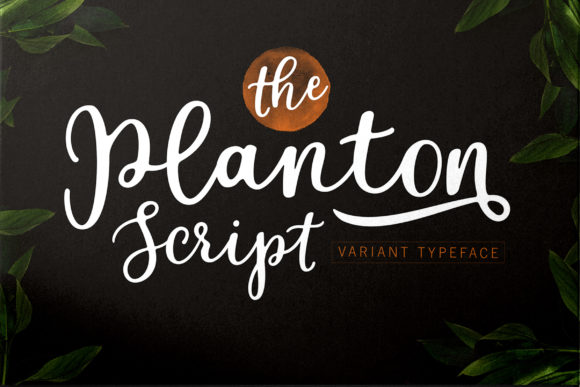
Planton Script: Elevating Visual Communication with Hand-Lettered Charm
In a digital landscape saturated with uniform sans-serifs, the authentic, handcrafted touch of a script font can be the key to creating a truly memorable design. Planton Script, a new script font with beautifully hand-lettered characters, offers designers and creators a versatile tool to inject personality and elegance into their projects. This font is more than just letterforms; it's a creative asset designed to enhance visual hierarchy, strengthen brand identity, and connect with audiences on a more human level.
At its core, Planton Script is a PUA encoded font, which means every glyph, swash, and stylistic alternate is easily accessible. This technical feature is a significant advantage for graphic designers, eliminating technical barriers and allowing for seamless integration into any design workflow. Whether you're crafting a logo, designing wedding invitations, or developing social media graphics, the full character set is at your fingertips, ready to add that perfect flourish.
Practical Applications for Modern Design Projects
The true value of a typeface like Planton Script lies in its wide range of applications. Its hand-lettered aesthetic makes it particularly effective for projects where a personal, artisanal, or luxurious feel is desired. Consider these practical uses to inspire your next creative project:
- Branding and Logo Design: A logo sets the tone for an entire brand identity. Planton Script can create a distinctive and approachable wordmark for businesses in fashion, hospitality, beauty, or artisanal goods, helping them stand out in competitive markets.
- Marketing and Advertising: From compelling poster headlines to engaging newsletter banners, this font captures attention. It adds a layer of sophistication to print design and digital marketing materials, improving user engagement and message retention.
- Editorial and Packaging Design: In editorial layouts, it works beautifully for pull quotes or section headers, creating visual interest. For packaging design, it communicates quality and care, directly influencing consumer perception and shelf appeal.
- Digital Presence and Merchandise: Use it for website hero sections, UI call-to-action buttons, or memorable social media graphics. Its versatility also extends to merchandise like t-shirts, labels, and badges, where a unique typographic style adds significant value.
Integrating Script Fonts into Your Design Workflow
While a script font like Planton Script is powerful, using it effectively requires thoughtful consideration. To maintain a professional presentation and ensure your design goals are met, keep these typography principles in mind:
- Prioritize Readability: Script fonts are best used for headlines, logos, or short bursts of text. Avoid setting long paragraphs in a script style, as it can hinder readability and user experience. Always pair it with a clean, legible sans-serif or serif for body copy.
- Establish Visual Hierarchy: Use Planton Script strategically to create focal points. Its expressive nature naturally draws the eye, making it ideal for titles, signatures, or key phrases that need to stand out in your visual design.
- Ensure Brand Consistency: Before finalizing a font choice, evaluate if its personality aligns with the brand's voice and audience expectations. A cohesive color palette and supporting typefaces should work in harmony with the script to build a strong, consistent brand identity.
Ultimately, the tools you choose directly impact the quality of your creative output. Investing in high-quality, versatile creative assets like Planton Script empowers you to execute your vision with precision and flair. By making informed typography choices, you elevate not just the aesthetics of your work, but also its effectiveness in communication, ensuring every project—from digital content to print design—achieves a polished and professional result. Thoughtful design is about selecting the right elements to tell a compelling story, and the right font is a foundational chapter in that narrative.